Diagnose
Measure demand, observe the day, map motion, and select one method family.
THE LEAN LAB / CHRIS BINION
Explore ↓A controlled-flow operating system for QC labs

Chris Binion
Your people are working hard. Your instruments are expensive. Your compliance obligations are real. So why does the work still wait?
Scroll to reorganize the bench
A controlled-flow operating system for QC labs
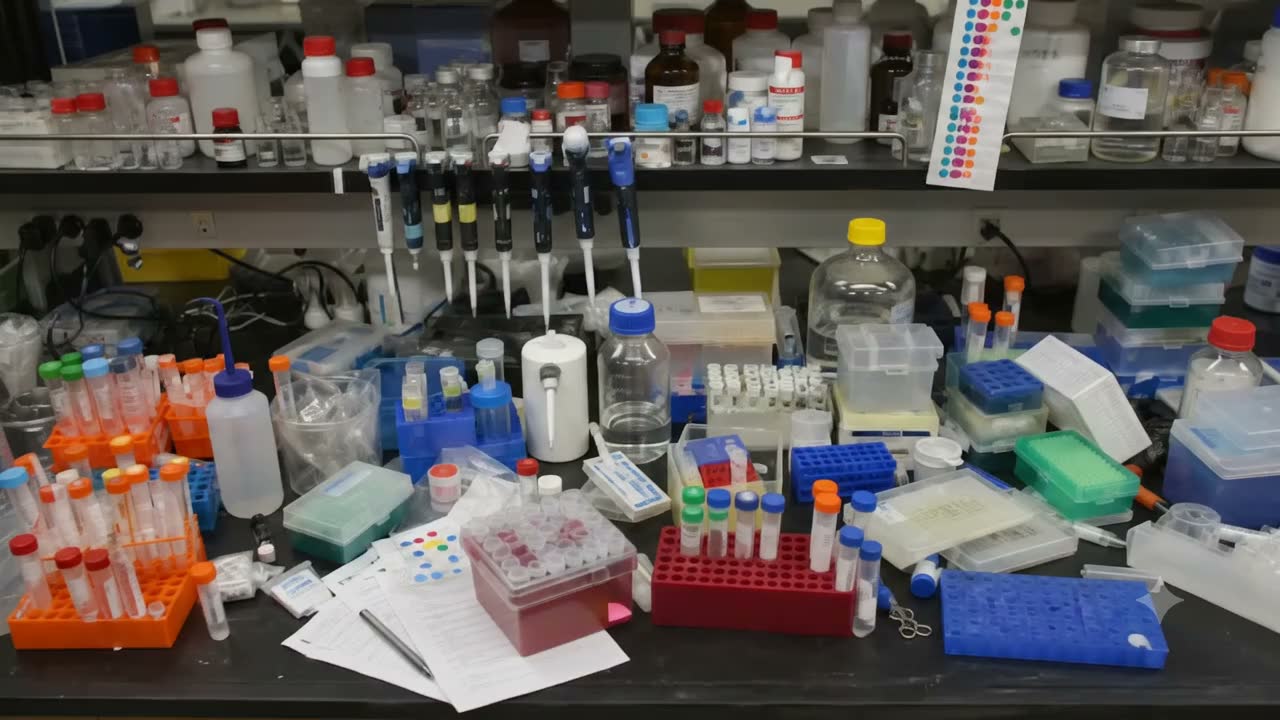
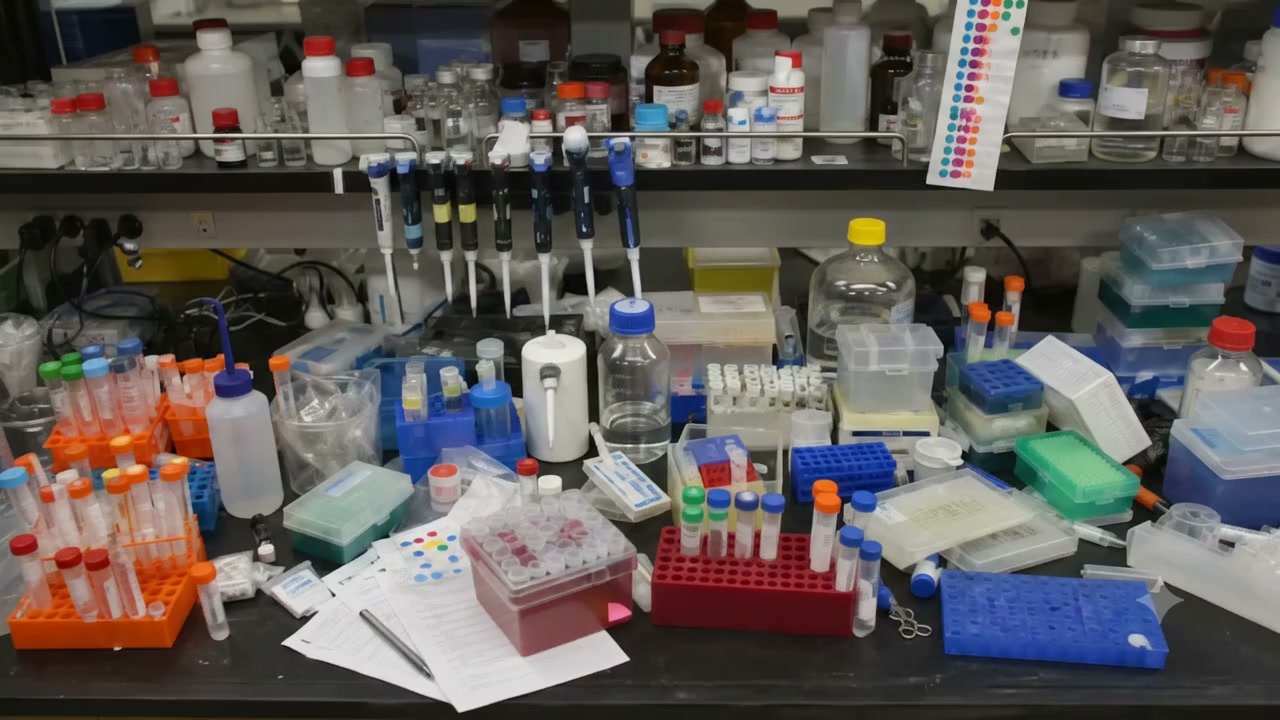
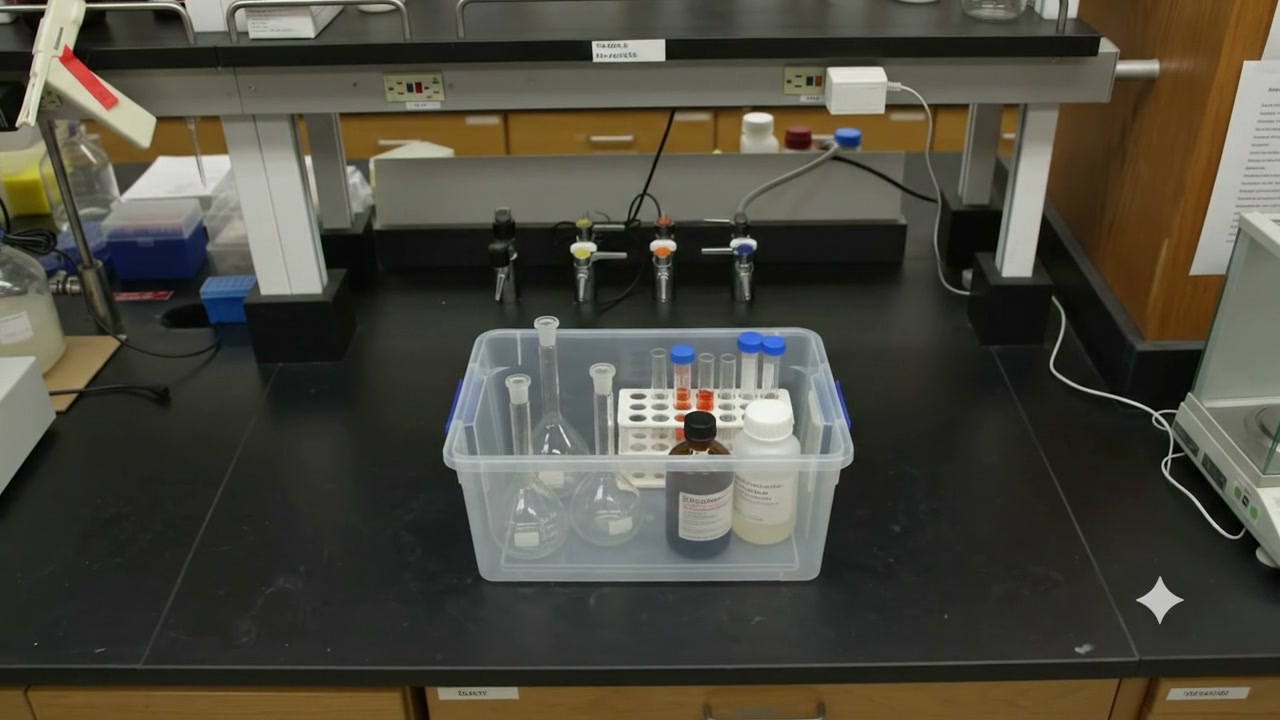
Chris Binion — The same fixed laboratory bench moves from cluttered to ready. Nothing important about the operating idea exists only inside the motion.
The operating problem / 01
The backlog is not proof that your analysts need to push harder. Busy people can still be trapped inside a system that hides waiting, motion, missing readiness, and late review.
The Lean Lab begins with a different question: what is the system producing?
The controlled-flow operating model
Six work centers organize the sample’s movement through a visible system instead of depending on heroic motion.
Diagnose before prescribing / 03
Eight connected diagnostics turn impressions into a shared picture of demand, time, motion, equipment, process, output, mix, and structure.
What is actually arriving—and when?
Where does analyst time actually go?
Where do people and samples travel?
Is availability the real constraint?
Where does the full journey lose time?
Does output match demand?
What complexity is the mix creating?
Do roles and decisions support flow?

Make status undeniable / 04
A visible system lets the team see where work is, what is blocked, and where a decision is needed—without interrupting an analyst to reconstruct the day from memory.
Build readiness / 05
 Work prepared before the testing window
Separate work that requires scientific judgment from preparation that can be made ready before the testing window begins.
Pass the product,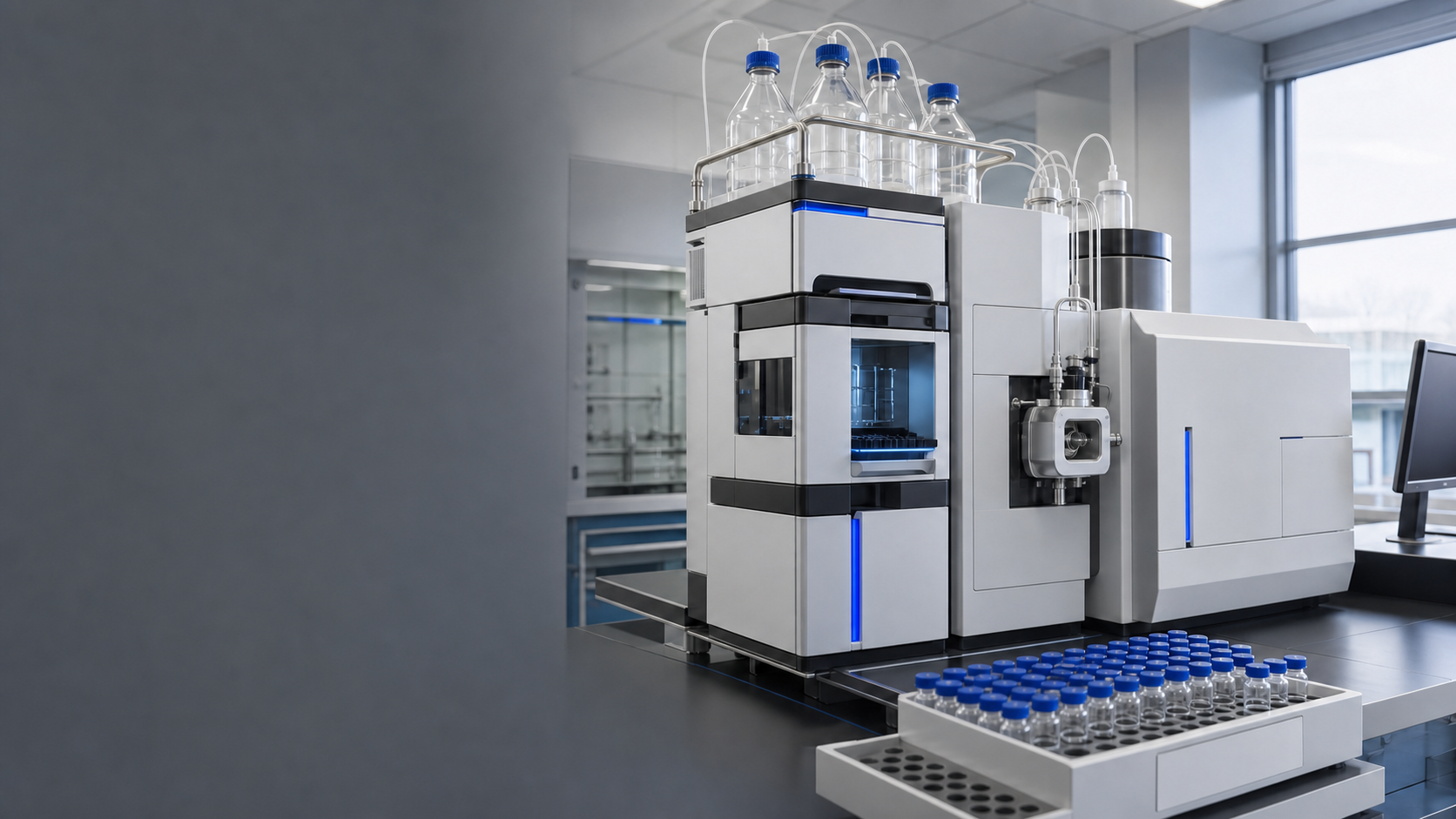
Quality at the source / 06
Quality should travel with the sample. Readiness, review, traceability, and error detection belong inside the flow—close enough to the work to surface problems before they reach release.
The first 90 days / 07
Diagnose and select. Prepare the work. Control the movement. Embed review. Establish daily ownership. Expand only after the pilot is stable.
Measure demand, observe the day, map motion, and select one method family.
Separate the work, build complete kits, establish standard work and real times.
Limit WIP, move by pull, embed review, and give the system a daily owner.
The Lean Lab / Chris Binion
A specialized, standalone book for leaders in regulated production and quality-control laboratories. Release, format, price, retailer, and implementation offerings are not announced here.
Start a process observation ↗Return to Team Binion ↗